


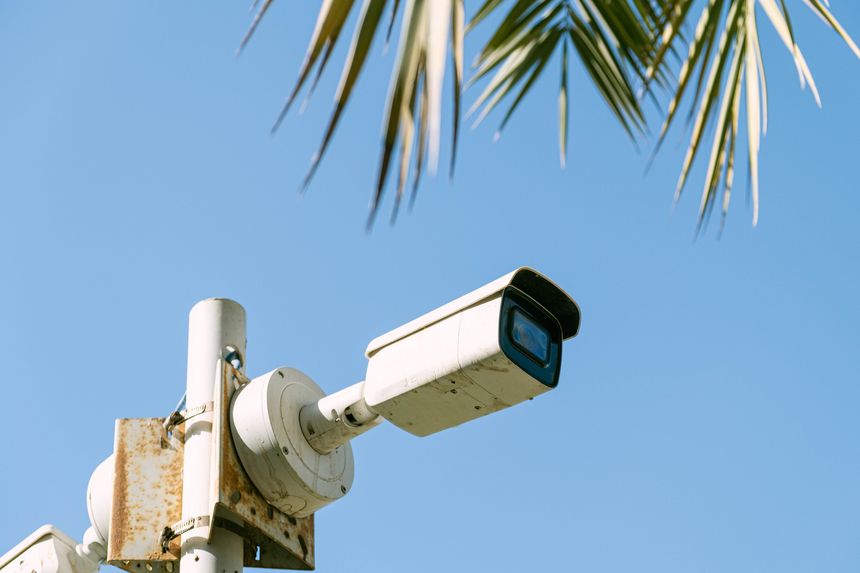

The Plaintiff was injured in a motor vehicle accident and sued the Defendant. As is common in personal injury litigation, the Defence retained a private investigator to investigate the Plaintiff’s claims. The Plaintiff learned the surveillance took place before trial, because the surveillance file was listed in the Defendant’s privileged documents (but was not produced). The Defence also provided a witness list, which included the investigator. The Plaintiff applied to compel pre-trial disclosure of the surveillance. The Court dismissed their application and provided a useful and up to date discussion on the applicable caselaw.
To understand the significance of this application, it is important to appreciate that in Alberta, parties must disclose all relevant and material records in their possession or control, subject to exceptions such as litigation privilege. In this case, the private investigator was retained to respond to the Plaintiff’s action and the resulting surveillance records were created for the dominant purpose of litigation, so it was protected from disclosure by litigation privilege.
It is also important to appreciate surveillance evidence can be extraordinarily effective in impeaching to undermine the credibility of witnesses. As such, plaintiffs are understandably motivated to review these records in advance of trial. At the same time, there are many ways a defence lawyer unfamiliar with this area of law could inadvertently waive privilege, allowing a plaintiff to compel the disclosure of the surveillance file in advance of trial. Consequently, defence counsel must tread carefully to avoid pitfalls which could result in an inadvertent waiver of litigation privilege.
Here, the Plaintiff argued, when the Defence listed the investigator as a witness to speak to the authenticity of the records and when the Defence indicated the surveillance file may be used for impeachment purposes at a pre-trial conference, the Defence waived privilege. The Plaintiff cited case law stating “...when evidence will be relied upon by a party, any privilege claimed over it will almost certainly be waived to comply with fairness and consistency” if there has been a waiver. Historical and current case law indicated surveillance was privileged.
The Court rejected the Plaintiff’s argument, and confirmed surveillance records intended solely for impeachment (as opposed to using them to prove other issues in dispute) may be withheld pre-trial if properly listed in Schedule 2. The rationale behind this decision is rooted in the imbalance of information. For example, a person who intends to testify they cannot walk knows whether this is true, and footage of them walking post-accident would not be revelatory to them. Obviously, a plaintiff already knows the underlying facts better than their opponent, and so has all the information necessary to testify honestly. Accordingly, maintaining privilege over surveillance records pre-trial is permitted.
Further, the Court found the Defence had not taken any steps which would waive privilege. In other cases where counsel inadvertently waived privilege, the waiver took place because they attempted to selectively waive privilege over portions of the evidence or attempted to indirectly produce portions of the privileged evidence, such as having an expert review the evidence in advance of them preparing their report. The Court does not want parties to cherry pick production of favorable evidence while maintaining privilege over less favorable evidence, as doing so risks an unfair or inaccurate impression regarding the subject matter as a whole.
The Court noted the Defence had not disclosed any portion of the surveillance file and had not indicated any intention to use the records or the investigator’s testimony for purposes other than impeachment and to prove record authenticity. Identifying the file, identifying a witness to authenticate the records, and indicating the file may be used for impeachment purposes does not amount to cherry picking evidence or waiver of privilege. Accordingly, the Defendant preserved litigation privilege and protected the surveillance from pre-trial disclosure. The Plaintiff’s application was dismissed.
/Passle/593009bf3d94760454b5e183/SearchServiceImages/2025-07-04-19-54-57-855-686831918714336e9f5574a9.jpg)
/Passle/593009bf3d94760454b5e183/SearchServiceImages/2026-10-26-15-38-38-913-6adf73fe534510e4c2bbc224.jpg)
/Passle/593009bf3d94760454b5e183/SearchServiceImages/2026-10-21-20-05-50-519-6ad91b1e9207ce3b47036ebc.jpg)
/Passle/593009bf3d94760454b5e183/SearchServiceImages/2026-09-08-17-09-53-907-6aa04161fc3a116d3078baed.jpg)