When the Policy Doesn't Respond, Must the Broker?
The British Columbia Supreme Court dismissed a negligence claim against an insurance brokerage arising from a denied property insurance claim. The Honourable Mr. Justice Coval addressed several issues of particular relevance to insurers and defence counsel including, the scope of an insurance broker's duty to identify changes in risk, the importance of properly pleaded allegations of negligence, the role of expert evidence in establishing professional standards, and the consequences of failing to produce documentary evidence supporting a damages claim.
Background
The plaintiff owned a rental property in Coquitlam, British Columbia, which was insured under a residential dwelling policy obtained through Gold Key Insurance Services Ltd. and issued by Wawanesa Mutual Insurance Company.
After the policy was obtained in 2006, the property was rezoned for commercial use and leased to an automotive repair business. However, the insurance coverage was never updated to reflect the change in use.
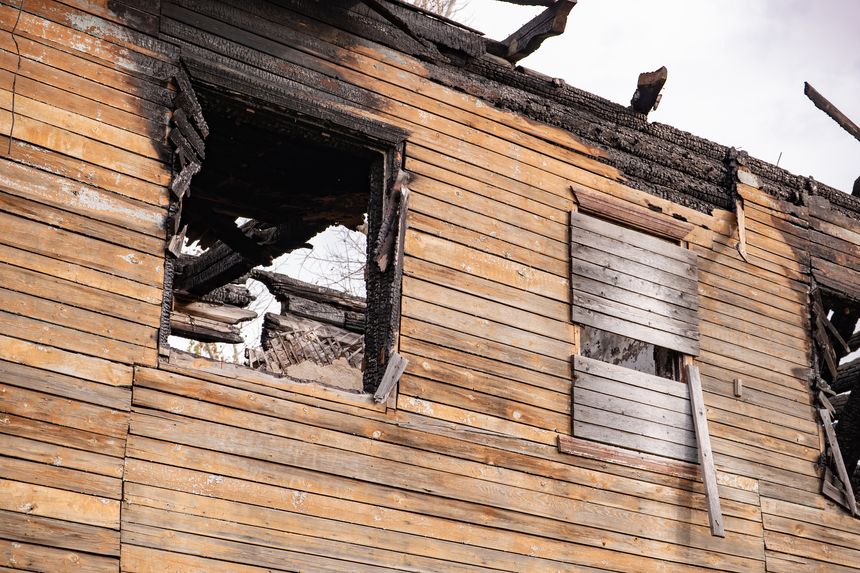
In March 2014, a fire substantially destroyed the building. Wawanesa denied coverage on the basis that the commercial tenancy constituted an undisclosed material change in risk. The plaintiff subsequently commenced proceedings and alleged that Gold Key's representative had been informed of the change in use but failed to arrange appropriate commercial insurance. The Plaintiff sought approximately $170,000 in damages for lost rental income and a reduction in the property's sale price. The claim against Wawanesa was discontinued by consent but proceeded against the brokerage.
The Court's Decision
The Court dismissed the claim, finding that the plaintiff failed to establish either a breach of the broker's duty of care or a compensable loss.
Broker's Duty of Care
The Court reaffirmed that insurance brokers have a duty to advise clients about available coverage and insurance appropriate to their needs. However, the Court preferred the broker's evidence that he had not been informed of the property's change in use. It also rejected the argument that the commercial tenancy should have been apparent merely because the broker had driven past the property.
Pleadings and Expert Evidence
The plaintiff further argued that the broker ought to have regularly inspected the property or made inquiries about its use during annual renewals.
The Court declined to consider these allegations as they had not been properly pleaded or particularized. Further, relying on Schellenberg v. Wawanesa Mutual Insurance Company, 2020 BCCA 22, the Court found that expert evidence was required to establish whether such obligations formed part of the applicable professional standard of care. The alleged duties were not sufficiently obvious to dispense with expert evidence.
Failure to Prove Damages
The Court also found that the plaintiff had failed to establish her claimed financial losses. Despite requests for production at the Plaintiff’s Examination for Discovery, she had not provided key documents, including the commercial lease, rental records, purchase and sale agreements, or evidence supporting the alleged reduction in the property's sale price.
Even if negligence had been established, the plaintiff had not proven that the absence of commercial coverage caused the damages claimed.
Key Takeaways
Sanghera provides several useful reminders for defending insurance broker negligence claims:
- An uninsured loss does not establish negligence. The plaintiff must prove that the broker knew or ought to have known of circumstances requiring different coverage and failed to meet the applicable standard of care.
Credibility is critical in establishing a breach of duty. The Court's findings turned largely on its assessment of the conflicting evidence concerning whether the broker had been informed of the property's change in use. The Court preferred the broker's evidence, noting inconsistencies in the plaintiff's account, between Examination of Discovery and Trial, and finding it unlikely that the broker would knowingly leave the property improperly insured. The decision highlights the importance of credibility assessments in professional negligence claims, particularly where liability depends on disputed conversations and there is limited contemporaneous documentary evidence.
- Pleadings and expert evidence are critical. The Plaintiffs cannot rely on unpleaded theories of negligence at trial. Where the alleged duty involves specialized insurance industry practices, that are not obvious to the reasonable person, expert evidence may be necessary to establish the standard of care.
- Causation and damages require independent scrutiny. A coverage denial does not relieve the plaintiff of proving actual financial loss attributable to the alleged negligence. Missing financial records and alternative causes of loss may be decisive.
- Documentary evidence remains essential. Especially where credibility is a concern, viva voce evidence may be insufficient for the Court to assess what actually occurred. Contemporaneous broker communications, renewal records, financial documents, and thorough examinations for discovery can be critical to challenging both liability and damages.
Sanghera reinforces that insurance brokers are not automatically liable when an insured discovers a gap in coverage following a loss. Plaintiffs must establish a properly pleaded and proven breach of the applicable standard of care, together with resulting damages. For insurers and defence counsel, the decision illustrates the importance of challenging not only the alleged breach of duty, but also the evidentiary foundation for causation and damages.